Lower Eyelid Blepharoplasty
Lower Eyelid Blepharoplasty in Vancouver, BC
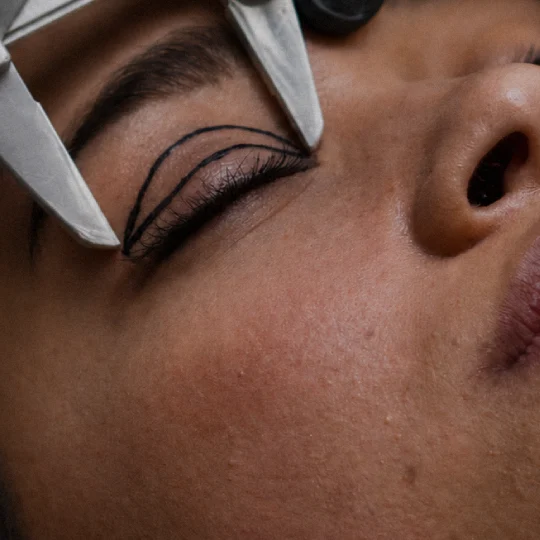
Lower eyelid blepharoplasty is designed to improve under-eye bags, puffiness and hollowing for a smoother, more refreshed appearance. Dr. Paul Denton often repositions existing fat to preserve volume and create a more natural transition between the lower eyelid and cheek.
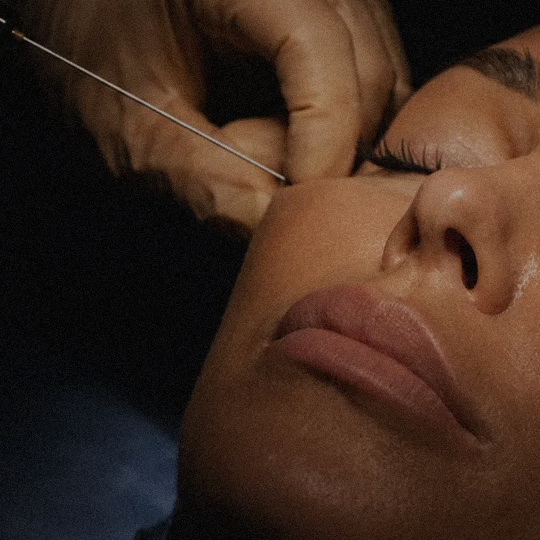
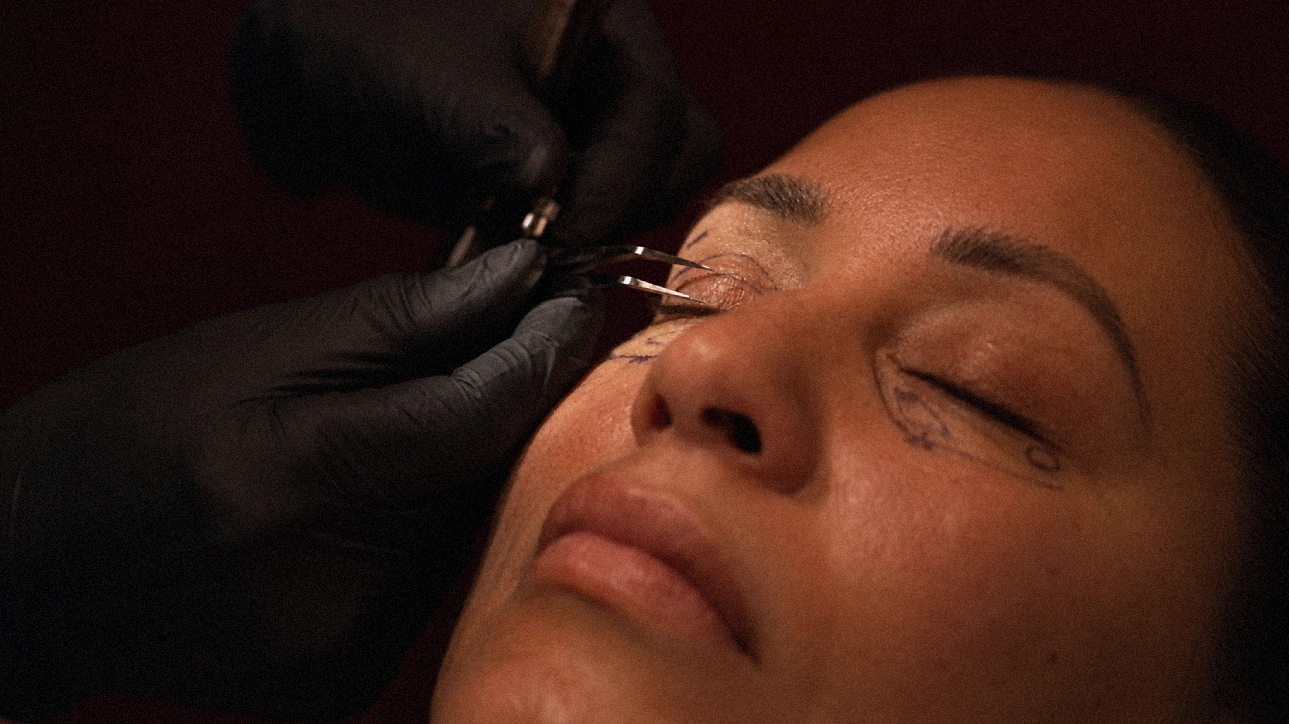
Your lower eyelid blepharoplasty journey begins with a consultation with Dr. Paul Denton, where he will assess under-eye fat pads, skin laxity, hollowing, lower eyelid support and the transition between the eyelids and cheeks. Depending on your anatomy, he may recommend a transconjunctival approach, where the incision is made inside the lower eyelid with no visible external scar, or a transcutaneous approach, where a discreet incision is placed just beneath the lower lash line to allow excess skin and deeper tissues to be addressed.
Rather than simply removing lower eyelid fat, Dr. Denton often repositions or transposes the patient's existing fat into areas of hollowing beneath the eyes. This helps preserve natural volume and creates a more cohesive transition between the under-eye area and the upper cheek, reducing the risk of an overly hollow appearance as the face continues to age.
Depending on your anatomy, the procedure may be performed through an internal transconjunctival incision or an external transcutaneous incision beneath the lashes. Lower eyelid blepharoplasty can be performed under oral sedation or general anesthesia depending on your comfort level and surgical plan. If external sutures are used, they are typically removed approximately one week after surgery.
Swelling and bruising are typically most noticeable during the first several days following lower eyelid blepharoplasty and begin to improve throughout the first one to two weeks. Temporary tightness, dryness, sensitivity or mild changes in sensation around the lower eyelids can occur during the early healing period.
If sutures or tapes are present, they are generally removed at approximately one week, and many patients begin feeling comfortable returning to work and social activities within about 10 to 14 days. Residual swelling can persist for several weeks, particularly beneath the eyes and through the upper cheeks. The under-eye contour continues to soften and refine over the following weeks and months as swelling resolves and repositioned tissues settle. Final results are best appreciated once healing is complete and the lower eyelid-to-cheek transition has fully matured.
Concerns
Treatment Time
Downtime
How It Works
Consultation & Planning
Discover More About
Lower Eyelid Blepharoplasty
Find clear, professional answers to common questions about our procedures and services.
How do I know if I need lower blepharoplasty or under-eye filler?
Lower blepharoplasty is generally better suited for true under-eye bags caused by prominent fat pads, while filler is used to camouflage certain hollows or volume deficits. In some patients, filler can actually make the under-eye area look heavier, which is why Dr. Paul Denton assesses the underlying anatomy before recommending treatment.
What is the difference between transconjunctival and transcutaneous lower blepharoplasty?
A transconjunctival lower blepharoplasty uses an incision inside the lower eyelid, leaving no visible external scar, and is commonly used when the main concern is prominent fat pads without significant excess skin. A transcutaneous approach uses a discreet incision beneath the lower lashes and may be recommended when additional skin or tissue tightening is needed.
The decision is based on your anatomy. Patients with prominent fat pads and good skin quality may be candidates for a transconjunctival approach, while patients with more significant skin laxity may benefit from a transcutaneous incision that allows the skin and deeper tissues to be addressed.
When will I look presentable after lower eyelid surgery?
Many patients feel comfortable returning to work and social activities within approximately 10 to 14 days, although bruising and swelling vary from person to person. The under-eye area continues to refine over the following weeks and months.
How long do lower blepharoplasty results last?
Lower eyelid blepharoplasty can provide long-lasting improvement because the underlying fat pads and tissues are surgically repositioned rather than temporarily camouflaged. Natural aging will continue, but the improvement in under-eye contour can remain visible for many years.
Will lower blepharoplasty get rid of all my under-eye wrinkles?
Not necessarily. Lower blepharoplasty primarily addresses underlying fat, contour and, when appropriate, excess skin. Fine lines and crepey skin are surface concerns, which is why Dr. Denton may recommend fractional CO₂ laser resurfacing alongside or following surgery when skin texture is also a concern.
Will my under-eyes look hollow after lower eyelid surgery?
They shouldn’t. Dr. Denton often preserves and repositions the existing under-eye fat rather than simply removing it, which helps maintain natural volume and creates a smoother transition between the lower eyelid and cheek. This approach is designed to reduce the risk of an overly hollow or skeletonized appearance over time.
Am I too young for lower eyelid blepharoplasty?
There is no specific age for lower eyelid surgery. Some patients develop prominent under-eye fat pads or bags at a younger age because of genetics, while others notice these changes gradually with aging. Candidacy is determined by your anatomy, skin quality and concerns rather than age alone.
Lower Eyelid Blepharoplasty
We'd love to hear from you
- Clinic Address
1366 W Pender St
Vancouver, BC - Office Hours
Mon–Fri
9AM–5PM - Phone Number
+1 604 681 6399
![[background image] image of office reception desk (for a legal tech)](https://cdn.prod.website-files.com/68b097aeaae619b4c6c99ef1/693b2e6468b283653dee0cc6_336f1294-97f9-40e1-b8ce-03fffad6c215.avif)