Fat Grafting
Fat Grafting in Vancouver, BC
Patients are increasingly choosing fat grafting for its natural, long-term results and the added benefit of subtle body contouring at the donor site then purifying and reinjecting it into targeted areas of the face. Unlike fillers, fat transfer doesn’t just fill lines, it restores volume from within, rejuvenating the overall shape and softness of the face.
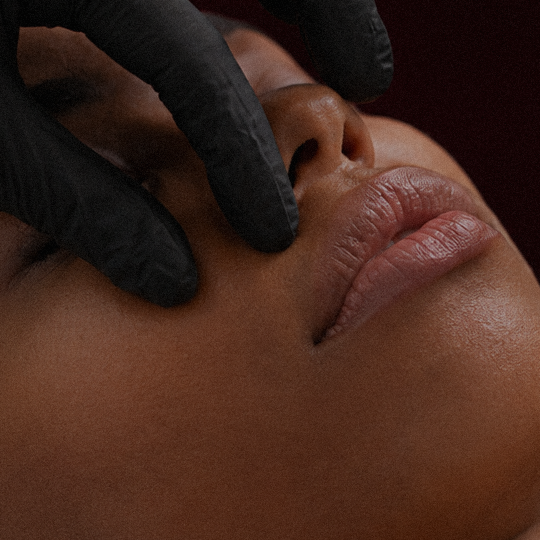
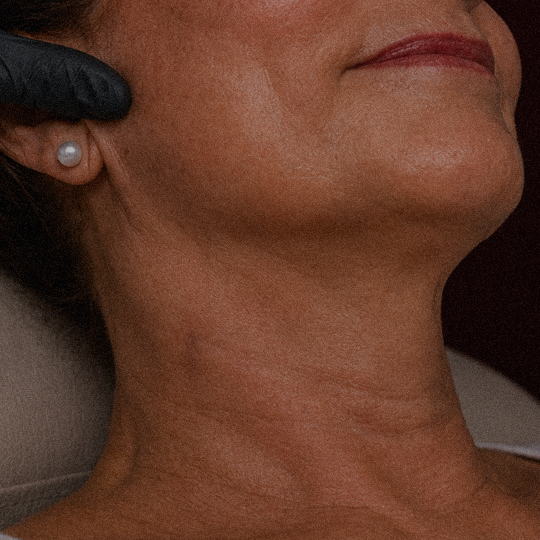
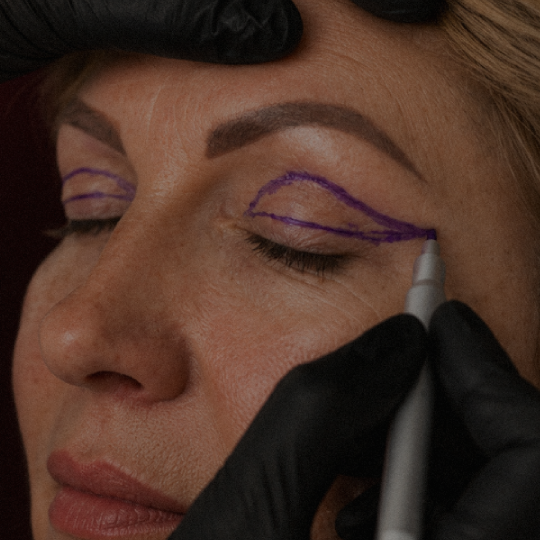
Fat grafting restores youthful volume to the face using your own tissue. Small amounts of fat are harvested from an area such as the abdomen or thighs, purified, and carefully transferred to areas that have lost volume with age commonly the cheeks, temples, under-eye area, and around the mouth. Because the transferred fat is living tissue, the portion that establishes a blood supply becomes a lasting part of your face.
Dr. Denton assesses where volume loss is contributing to your facial aging and discusses how fat transfer compares with or complements other options. It's frequently performed alongside a facelift, where restoring volume and repositioning tissue work together for a more complete rejuvenation.
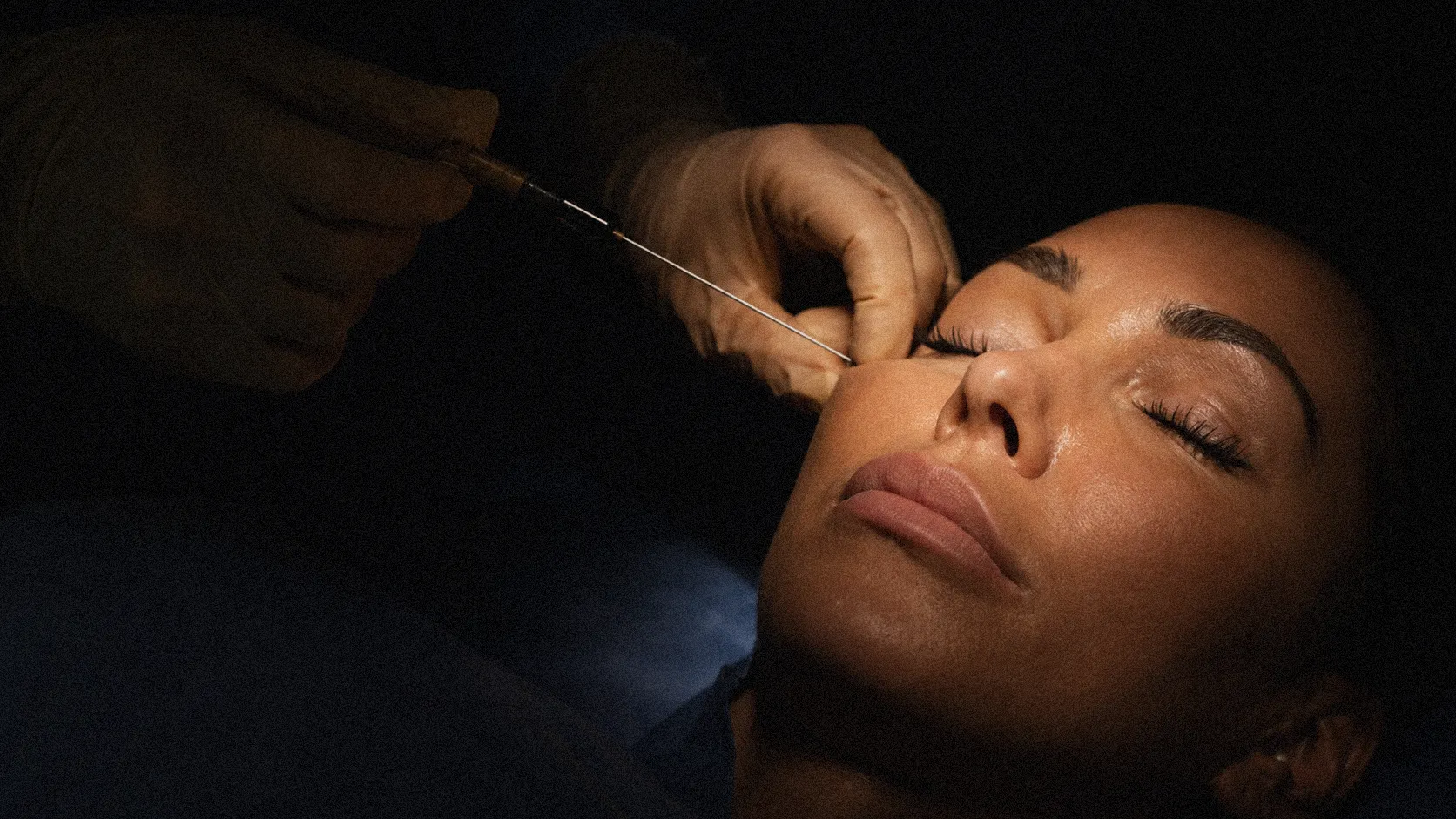
Fat is harvested gently through small incisions using fine cannulas, then processed to isolate the healthiest fat cells. Dr. Denton places the fat in precise, small amounts across multiple tissue layers. A meticulous technique that supports graft survival and produces smooth, natural contours.
The procedure may be performed on its own under general anaesthesia when combined with other surgery. Most patients return home the same day.
Swelling in both the donor and treated areas is expected and settles over the first weeks. Some of the transferred volume is naturally absorbed in the early months. This is anticipated and accounted for in your surgical plan and the volume that remains is considered lasting.
Dr. Denton follows your result as it stabilizes, and your aftercare plan covers both the harvest site and the face. The outcome is a soft, natural restoration of volume that moves with your own expressions.
Concerns
Treatment Time
Downtime
How It Works
Consultation & Planning
Discover More About
Fat Grafting
Find clear, professional answers to common questions about our procedures and services.
What is fat grafting and how does it work?
Fat grafting harvests your own fat from the abdomen, flanks, or thighs, processes it, and injects it into areas of the face that have lost volume with age. Because it uses your own tissue, there is no foreign material, no allergy risk, and the fat that survives the transfer becomes a permanent part of the treated area.
What areas of the face can be treated?
The most commonly treated areas are the under-eyes and tear troughs, cheeks, temples, lips, and nasolabial folds. It can also improve overall skin quality — fat contains growth factors that stimulate collagen production in the overlying skin, a benefit synthetic fillers don't provide.
How long does fat grafting results last?
The fat that survives becomes vascularized living tissue and does not disappear the way filler does — it is permanent. It will behave like your own fat over time, so significant weight loss can reduce volume in grafted areas proportionally. Aging continues, but the restored volume remains.
How is fat grafting different from dermal filler?
Filler is temporary, metabolized over months, and requires ongoing maintenance. Fat grafting uses your own tissue and the portion that survives is permanent. For patients who want long-term volume restoration rather than repeated filler appointments, fat grafting is the more durable solution.
Will fat grafting make me look overfilled or unnatural?
Not with a conservative approach. The goal is always to restore what aging has taken — not to add beyond your natural anatomy. Dr. Denton uses precise, measured volumes tailored to each patient's specific degree of volume loss, which is why results look refreshed and natural rather than puffy or overdone. If you've seen overfilled fat grafting results elsewhere, that reflects volume decisions, not the procedure itself.
Why does Dr. Denton take a conservative approach to fat grafting?
Overfilling is one of the most common mistakes in fat grafting — it creates an unnatural, puffy appearance that is difficult to correct. Dr. Denton's philosophy is to restore what has been lost, not to add beyond what your anatomy naturally supports. A conservative, precise approach produces results that look like a younger, refreshed version of you.
How much of the transferred fat survives and what does Dr. Denton do differently to improve fat survival?
Typically 40–70%, varying by individual, technique, and treatment area. Fat survival is significantly influenced by how the fat is harvested, processed, and placed — rough handling at any stage damages fat cells and reduces survival. Dr. Denton's technique prioritises gentle harvesting, careful processing, and precise micro-droplet injection to maximize the number of viable cells that successfully integrate.
Fat Grafting
We'd love to hear from you
- Clinic Address
1366 W Pender St
Vancouver, BC - Office Hours
Mon–Fri
9AM–5PM - Phone Number
+1 604 681 6399
![[background image] image of office reception desk (for a legal tech)](https://cdn.prod.website-files.com/68b097aeaae619b4c6c99ef1/693b2e6468b283653dee0cc6_336f1294-97f9-40e1-b8ce-03fffad6c215.avif)